Alien Comet 3I/ATLAS - Interstellar Visitor
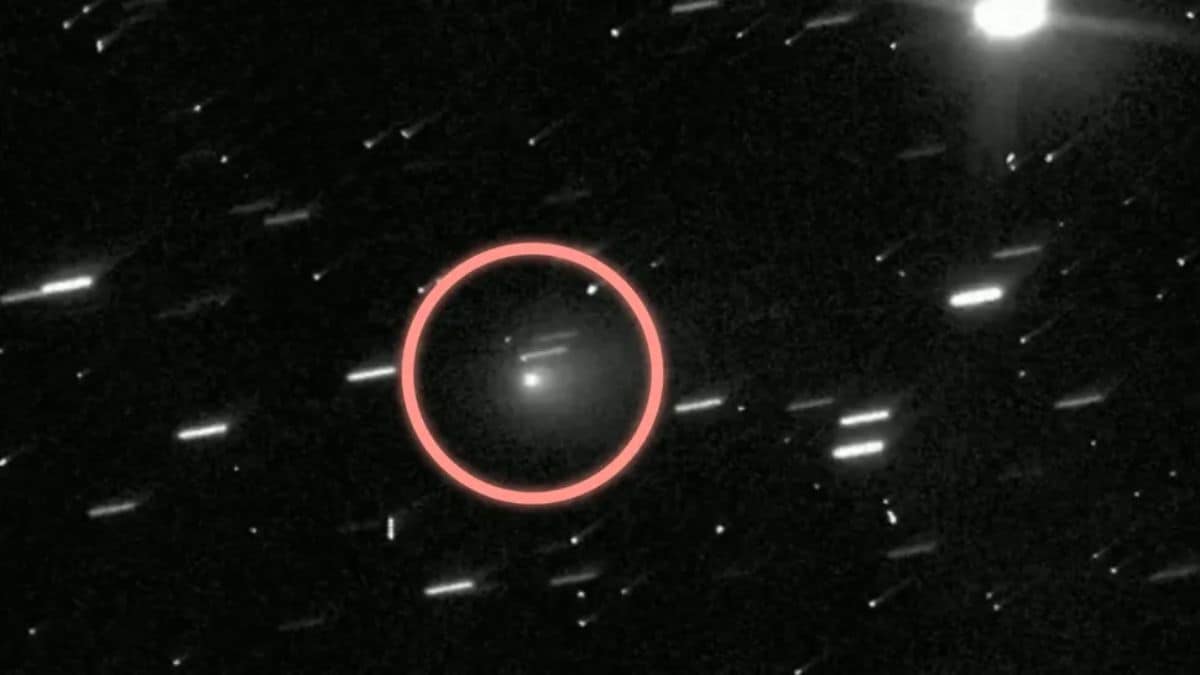
Get ready for a cosmic encounter! Comet 3I/ATLAS, a mysterious interstellar visitor from beyond our solar system, is making its closest approach to Earth this week. Discovered in July 2025, this comet is only the third confirmed interstellar object to enter our solar system, following 'Oumuamua in 2017 and Borisov in 2019. What makes 3I/ATLAS so fascinating is its unusual composition, with a higher-than-normal carbon-dioxide-to-water ratio and gas rich in nickel, hinting at formation conditions unlike those in our own solar system. As NASA's Hubble Space Telescope and other observatories track this icy traveler, scientists are unraveling its secrets, offering a glimpse into the distant reaches of the galaxy and the early days of our cosmic neighborhood. Now, let's dive into the story of this enigmatic comet and what it reveals about the universe.
A Cosmic Enigma Approaches
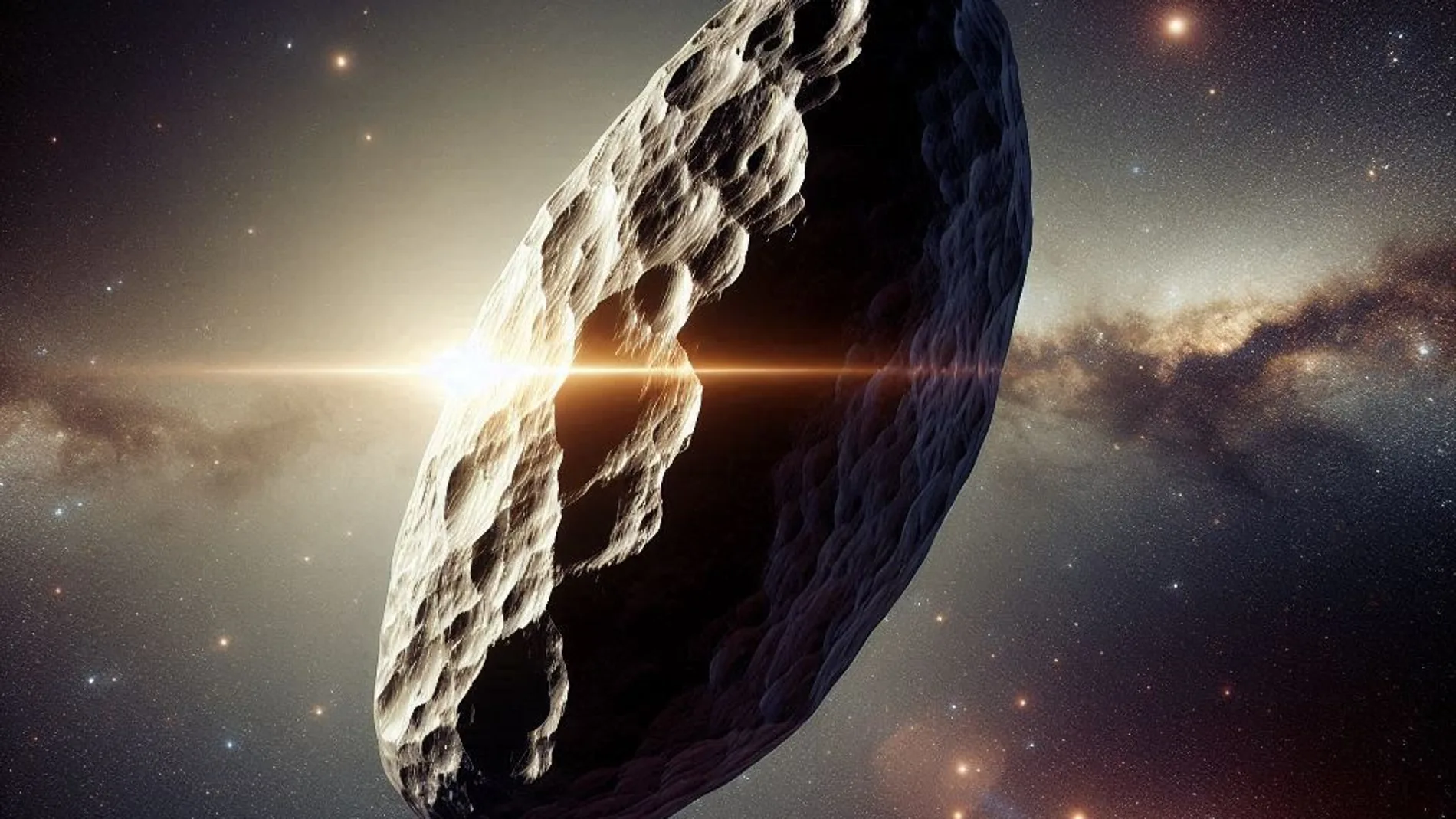
Imagine a cosmic traveler hurtling through our solar system, carrying secrets from beyond our celestial neighborhood. That's exactly what's happening with Comet 3I/ATLAS, the third known interstellar object to enter our cosmic backyard. Discovered by the Asteroid Terrestrial-impact Last Alert System (ATLAS) in July 2024, this comet is originating from outside our solar system, sparking curiosity among astronomers worldwide.
You might be wondering what makes this comet so special. Well, according to Dr. Karen Meech, an astronomer at the University of Hawaii, "Comet 3I/ATLAS offers a unique opportunity to study the composition and behavior of alien celestial bodies." It's a chance to unravel the mysteries of the universe and gain insights into the formation of other star systems.
What We Know So Far
Comet 3I/ATLAS is moving at a breakneck speed of about 40 km/s, making it a fleeting visitor to our solar system. Its orbit suggests it came from the direction of the constellation Cassiopeia, likely a part of the Perseus arm of the Milky Way. As it approaches the inner solar system, scientists are eager to learn more about its composition, size, and shape.
- Discovered: July 2024 by ATLAS
- Speed: Approximately 40 km/s
- Origin: Outside our solar system, likely from the Perseus arm of the Milky Way
The study of Comet 3I/ATLAS is not only exciting but also crucial for understanding the diversity of celestial objects in our universe. As you follow this comet's journey, you'll get a glimpse into the mysteries of the cosmos and the secrets it holds.
The Discovery and Classification

You might've heard about the excitement in the astronomy community when 3I/ATLAS was discovered back in 2025. This interstellar comet was quickly identified as a true cosmic visitor from beyond our solar system, making headlines worldwide.
The credit for spotting this icy wanderer goes to the Asteroid Terrestrial-impact Last Alert System (ATLAS) project, which is designed to detect near-Earth asteroids. Named after this system, 3I/ATLAS has become one of the most intriguing objects in recent astronomical history.
What Makes It a Comet?
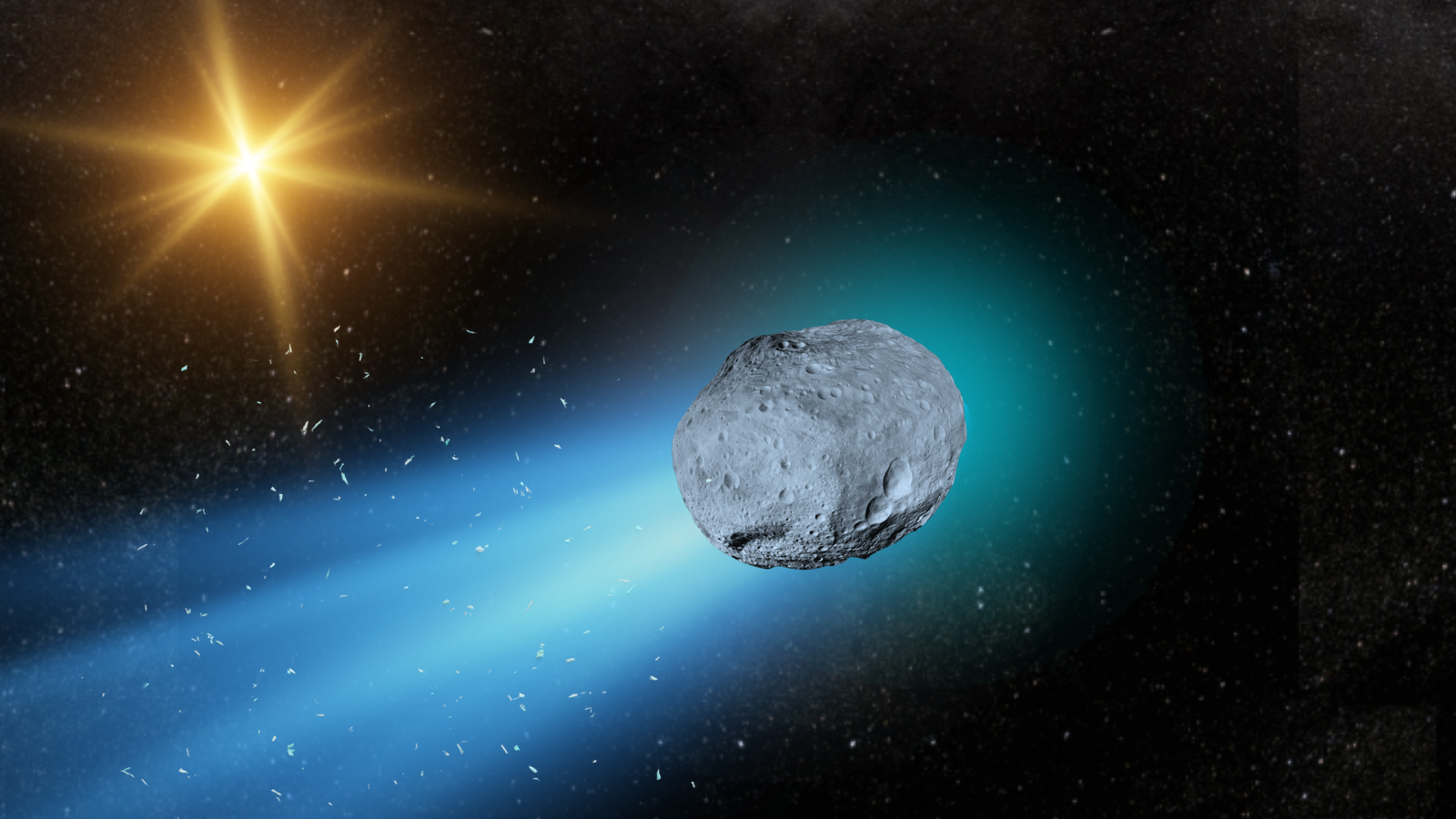
So, what exactly tells us that 3I/ATLAS is a comet? For starters, its active icy composition and distinct tail set it apart from asteroids. As it approached the inner solar system, the comet began to release gas and dust, creating a beautiful tail that's a hallmark of comets. This activity is driven by the Sun's heat, causing the comet's ices to sublimate (turn directly into gas).
- Discovered in 2025 by the ATLAS project
- Named after the Asteroid Terrestrial-impact Last Alert System
- Classified as a comet due to its active icy composition and distinct tail
The discovery of 3I/ATLAS has opened up new avenues for studying interstellar objects and understanding the composition of our cosmic neighborhood. As you can imagine, scientists are eager to learn more about this enigmatic visitor and what it can tell us about the universe beyond our solar system.
Unraveling the Composition
As Comet 3I/ATLAS, the interstellar visitor, hurtles through our solar system, scientists are getting a closer look at its composition. And let me tell you, it's a real mixed bag. This comet's made up of icy materials and metals, which is pretty standard for comets, but it's what happens when it approaches the Sun that's really interesting. As it gets closer, the comet starts releasing gases like water vapor, methane, and carbon dioxide - a process known as outgassing.
A Window into the Past
Spectroscopic analysis is where things get really cool. By studying the light reflected off the comet, scientists can determine its chemical makeup. This technique has revealed clues about 3I/ATLAS's formation and evolution. For example, the presence of metals like iron and nickel suggests it formed in a region of the galaxy with intense star formation. There's also evidence of volatile gases like methanol and ethane, which are common in comets from our solar system.
- Methanol (CH3OH): a simple organic compound that's a key component of cometary ices
- Ethane (C2H6): a hydrocarbon that's been detected in several comets, including 3I/ATLAS
- Water vapor (H2O): a major constituent of cometary comae
The presence of these metals and volatile gases suggests 3I/ATLAS has a complex and intriguing history. It's likely this comet formed in a distant part of the galaxy, possibly even around another star, before getting kicked out into interstellar space. Now, it's giving us a glimpse into the chemistry of the cosmos, and scientists are eager to learn more. NASA's Infrared Telescope Facility (IRTF) and the European Space Agency's (ESA) Rosetta mission have both studied comets like 3I/ATLAS, revealing the secrets of their composition.
As we continue to study this interstellar visitor, we'll uncover more about its history and the conditions in the galaxy where it formed. And who knows, maybe it'll even challenge our current understanding of comets and the early solar system.
The Journey Through Space

You're witnessing something extraordinary – a cosmic traveler hurtling through our solar system at incredible speeds. 3I/ATLAS, the alien comet, is on a one-way trip, and it's not slowing down anytime soon. This interstellar visitor was hurtling through the void of space for millions of years before entering our cosmic neighborhood.
A Close Encounter
The comet's closest approach to Earth occurred on December 19, 2025, and you're probably wondering just how close it got. Don't worry, it was a safe distance away – about 1.79 astronomical units (AU) from our planet. To put that into perspective, that's roughly 267 million kilometers (166 million miles) away. That's far enough to be safe, but close enough for scientists to get an unprecedented look at this interstellar object.
This is where things get really exciting – 3I/ATLAS offers a rare opportunity for scientists to study an object from beyond our solar system up close. It's like getting a free ticket to explore the unknown! Researchers are already gathering data, hoping to unravel the secrets of this cosmic wanderer. Who knows what they'll discover? The possibilities are endless.
The comet's high speed and unusual composition are providing valuable insights into the formation of other star systems. As 3I/ATLAS zooms through our solar system, scientists are busy collecting data on its composition, size, and shape. It's a once-in-a-lifetime chance to learn about the universe beyond our cosmic backyard.
Debunking Alien Spacecraft Theories
Let's get real, you've probably seen the wild theories floating around about Comet 3I/ATLAS being an alien spaceship. NASA officials are calling it - it's not. The conspiracy theories are fun, but the science is clear: this comet is a natural celestial body, no alien tech in sight.
The evidence is in the comet's composition and behavior. Dr. Quanzhi Ye, a planetary scientist at the University of Maryland, points out that 3I/ATLAS is releasing gas and dust, a typical trait of comets. "It's behaving just like any other comet we've studied," he says. The comet's trajectory and speed also match our understanding of celestial mechanics - no need for alien propulsion systems here.
The Importance of Skepticism
Scientists like Dr. Ye emphasize the importance of evidence-based research and skepticism. "We need to be careful not to jump to conclusions," he says. "The universe is full of amazing things, but we need data to back up our claims." In the case of 3I/ATLAS, the data is clear: it's a comet, not a spacecraft.
The comet's composition is also telling. It's made up of water, methane, and other typical comet ingredients. "There's no sign of anything artificial," says Dr. Ye. "It's just a big ball of ice and rock, hurtling through space."
- The comet's gas and dust release is consistent with solar radiation
- Its trajectory matches predicted orbital paths
- No unusual energy signatures detected
So, while it's fun to speculate about alien visitors, the science is clear: 3I/ATLAS is a natural wonder, not an alien spacecraft.
Insights into the Universe's Mysteries
You're probably wondering what secrets 3I/ATLAS holds about the universe. Well, scientists are scratching their heads too, and the answers are fascinating. By studying this interstellar comet, researchers can peek into the formation and evolution of other star systems.
The Cosmic DNA of 3I/ATLAS
The comet's composition is like a cosmic DNA – it holds clues about the conditions in its home system. For instance, the ratio of water to methanol in 3I/ATLAS is different from comets in our solar system. This suggests that the comet formed in a region with distinct temperature and chemistry, maybe even in a star-forming region like the Orion Nebula.
Take the coma of 3I/ATLAS, for example. It's releasing carbon monoxide and carbon dioxide gases, which tells scientists about the comet's ices and the temperatures it experienced in its past. These findings can be compared to comets like Hale-Bopp or Halley's Comet, giving us a cosmic benchmark.
- The comet's trajectory reveals insights into the gravitational dynamics of its home system
- Its size and shape can inform models of planetary formation and migration
- The composition of 3I/ATLAS might even hint at the presence of other celestial bodies in its system
Understanding 3I/ATLAS is like solving a piece of the universe's puzzle. As Dr. Karen Meech, an astronomer at the University of Hawaii, puts it, "This comet is a snapshot of a different part of the galaxy." By studying these snapshots, you're essentially reading the universe's story – a tale of stars, planets, and the vast unknown.
Future Discoveries and Exploration
The discovery of 3I/ATLAS is just the beginning. With missions like the JUICE spacecraft, slated to launch in 2023, we're gearing up to uncover more secrets about interstellar objects. You might be wondering what else is out there, and the answer is: a lot.
What's Next for Interstellar Research?
The European Space Agency's JUICE mission is focused on Jupiter's moons, but it's also equipped to detect and study interstellar objects. Who knows, we might stumble upon another 'Oumuamua or 3I/ATLAS. The Vera Rubin Observatory's Large Synoptic Survey Telescope (LSST) is another game-changer, capable of detecting thousands of comets and asteroids, including interstellar visitors.
As technology advances, scientists will get more frequent and detailed observations of similar objects. For instance, the upcoming Square Kilometre Array (SKA) telescope will be able to detect faint signals from distant galaxies, potentially uncovering more interstellar objects. You're looking at a future where we'll have a treasure trove of data on these cosmic travelers.
- The JUICE spacecraft: launching in 2023, focused on Jupiter's moons, but also equipped to detect interstellar objects
- The Vera Rubin Observatory's LSST: detecting thousands of comets and asteroids, including interstellar visitors
- The Square Kilometre Array (SKA) telescope: detecting faint signals from distant galaxies, potentially uncovering more interstellar objects
The discovery of 3I/ATLAS highlights the importance of continued space exploration and research. With upcoming missions and technological advancements, we're on the cusp of a new era in interstellar research. The universe is vast, and there's much to be explored – and we're just getting started.
What the Future Holds for Interstellar Research

The discovery of 3I/ATLAS has opened doors to a new era in interstellar research. You're now part of a growing community that's eager to unravel the mysteries of these cosmic visitors. Scientists like Dr. Karen Meech, who's led some of the most groundbreaking research on interstellar objects, are already planning next steps.
The Next Big Questions
What's next? Researchers will dive deeper into the data collected from 3I/ATLAS, analyzing its composition, trajectory, and behavior. They're looking for clues about the object's origins, its journey through the galaxy, and what it can reveal about the formation of planetary systems beyond our own. With advanced telescopes like the Vera Rubin Observatory coming online, expect more discoveries like this.
- More interstellar objects are likely waiting to be found, and their study could revolutionize our understanding of the cosmos.
- Technological advancements will enable scientists to gather more detailed data, shedding light on the early days of our universe.
- Collaborations between international space agencies and research institutions will play a crucial role in unraveling the secrets of interstellar visitors.
The implications are profound. As you keep an eye on the night sky, remember that the study of interstellar objects isn't just about exploring space – it's about understanding our place within it. The journey has just begun, and you're on the ride. With missions like Comet Interceptor and the potential for new discoveries, the next few years will be out of this world.









Comments ()